
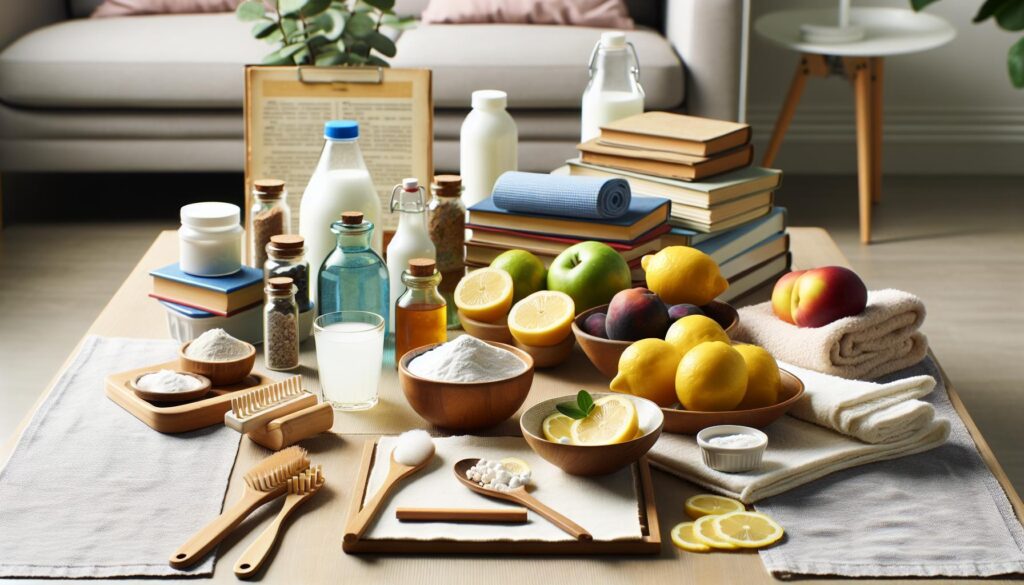

Are you tired of battling stubborn mold and mildew in your home? Look no further! In this guide, we’ll explore homemade mold and mildew cleaners that really work, providing you with effective, natural solutions that are both safe for your family and easy on your wallet. Say goodbye to harsh chemicals and hello to fresh, clean spaces as we delve into simple ingredients and tried-and-true methods that tackle even the toughest infestations. Let’s get started on your journey to a healthier, mold-free home!
Effective Ingredients for Homemade Cleaners
When it comes to whipping up homemade cleaners that truly tackle mold and mildew, knowing your ingredients is half the battle. These little warriors not only battle the leftovers of last summer’s dampness but can also save you a few bucks in the process. Think of them as the Avengers of your kitchen cabinet—“to the rescue!” and all that jazz. Now, let’s dive into some effective ingredients that will help you fight the good fight against those pesky spores.
Vinegar: Nature’s Powerhouse
Vinegar is the secret weapon in your cleaning arsenal. It’s not just for salads! This humble acidic liquid is effective against a variety of types of mold and mildew. Its main component, acetic acid, works to break down grime while neutralizing odors. Just mix equal parts of water and vinegar in a spray bottle—and voilà! You’ve got a cleaner that touts both safety and efficacy.
Here’s a quick tip: if you really want to amp up its potency, try heating the vinegar slightly before spraying. Just be careful not to burn your fingers—you want to clean, not create a cooking project!
Baking Soda: The Ultimate Gentle Scrubber
Next on your ingredient list is baking soda, the multitasker of the baking world. It doesn’t just pop up on your cupcakes; it’s also a fantastic deodorizer and scrubbing agent. A simple solution? Dissolve a couple of tablespoons in water and use it on areas where mold hangs out, like your bathroom or under the sink. The granules can help scrub away stubborn patches while leaving your surfaces sparkling clean.
Plus, mixing baking soda with vinegar can yield a fun reaction—a bit like a science experiment (minus the lab coat, of course). Just be prepared for a frothy eruption; it’s always entertaining, especially if you have kids around!
Tea Tree Oil: The Essential Defender
Now, if you want to get into the realm of essential oils, tea tree oil stands out as a champion against mold. With its potent antifungal properties, just a few drops diluted in a spray bottle filled with water can turn your cleaning routine into an aromatic adventure. It’s like bringing a little piece of the Australian wilderness into your home!
You might be thinking, “Isn’t that super expensive?” While some essential oils can break the bank, a little goes a long way with tea tree oil. A mere teaspoon mixed with water works wonders and leaves your space smelling fresh. Just remember, a little mist here and there—and keep it away from pets, who might not appreciate the scent as much as you do!
Hydrogen Peroxide: The Brightening Agent
Let’s not overlook hydrogen peroxide—your go-to for an extra cleaning kick! This powerhouse is not only great for wounds but is also effective as a mold buster. Use a 3% solution, spray it directly onto the affected areas, let it sit for about 10 minutes, and then scrub away. The bubbling action can feel like a pan full of soda fizz—it’s satisfying, and it tells you it’s working!
But wait! A friendly word of caution: hydrogen peroxide can have bleaching properties, so make sure to test it on a hidden spot of fabric first. You wouldn’t want your favorite shirt to go from olive green to a startling shade of ghostly white—unless you were going for an avant-garde look!
Here’s a quick reference table for your cleaning stash:
| Ingredient | Key Benefits | Usage Tips |
|---|---|---|
| Vinegar | Mold and odor neutralizer | Mix 1:1 with water |
| Baking Soda | Deodorizer and gentle scrub | Combine with water and scrub |
| Tea Tree Oil | Powerful antifungal | Dilute in water, spray and wipe |
| Hydrogen Peroxide | Strong mildew killer | Use 3% solution, spray and wait |
Armed with these ingredients, you’re more than ready to tackle that mold and mildew with the ferocity of a conqueror (well, maybe a cleaner version of one!). Get ready to make your space fresh, clean, and mold-free, one ingredient at a time.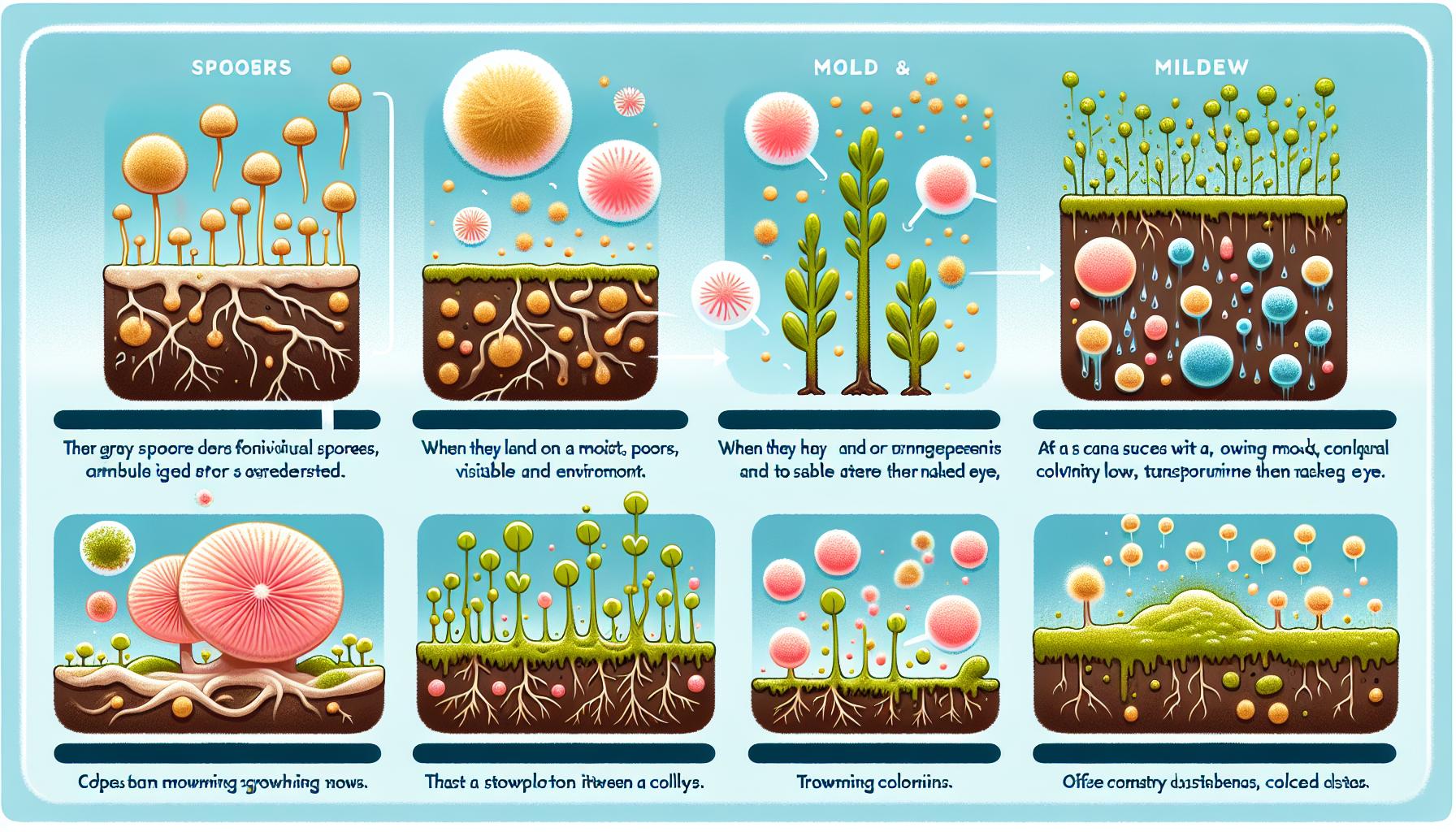
Understanding Mold and Mildew Growth
Mold and mildew are like uninvited guests at a party—once they arrive, they can really make a mess! These pesky fungi thrive in damp, warm places, turning your cozy abodes into their personal playgrounds. Often mistaken for each other due to their similar appearances, mold is usually green, blue, or black and often has a fuzzy texture, while mildew tends to be white or gray and appears powdery. Understanding their differences can help you get a better grip on tackling them before they throw a wild fungi fiesta in your home.
What Contributes to Their Growth?
Mold and mildew need three key ingredients to thrive: moisture, warmth, and organic material. Think of a damp bathroom floor or the space under your kitchen sink—these are prime real estate for fungi. That’s why you often see them lurking in the corners of basements, bathrooms, or anywhere with leaks. It’s like they have their own little real estate agents taking them on tours of wet spots! Here’s a quick list of their favorite conditions:
- Warmth: Mold loves temperatures between 77°F and 86°F (25°C to 30°C), so your cozy home environment might be just what they’re looking for!
- Humidity: High humidity levels (above 60%) can create a fungal wonderland. A dehumidifier? Your best ally in the fight against these squatters.
- Organic materials: They’re not picky eaters and can feed on wood, paper, and even dust—essentially anything that can break down.
How to Spot the Sneaky Deviants
Spotting mold or mildew can feel like a game of hide-and-seek. Sometimes they play coy, hiding behind bathroom tiles or inside walls. But fear not—there are telltale signs! Mold often leaves behind a musty smell that’s unmistakable, like a gym sock left in a locker too long. Mildew, on the other hand, usually shows up as a discolored, powdery patch.
You might want to play detective and regularly inspect areas prone to moisture. Do you have indoor plants? Monitor them too—excess water on leaves breeds mold faster than a cat owner with catnip! Here’s a handy table to help you identify potential trouble spots:
| Location | Signs of Mold/Mildew | Prevention Tips |
|---|---|---|
| Bathrooms | Discolored tiles, musty smell | Ventilate, use mold-resistant paint |
| Basements | Visible patches, damp odor | Install a dehumidifier, check for leaks |
| Kitchen | Tile discoloration, under-sink leaks | Clean spills, dry wet areas |
is key to keeping them at bay. It’s about creating an environment they just can’t stand! And let me tell you—nothing feels better than reclaiming your living space from these uninvited guests.
Step-by-Step Guide to Cleaning
To conquer the lurking villains of mold and mildew, let’s dive straight into a practical roadmap for cleaning. It’s like a treasure map—follow it, and you can reclaim your space from those pesky spores trying to turn your home into their hangout.
Gather Your Arsenal
Before you start the battle, gear up! Use these essential items that you likely already have at home:
- White vinegar: The unsung hero, it’s acidic enough to break down mold without harming your surfaces.
- Baking soda: This wonder powder not only fights mold but also helps to neutralize odors like that old pizza under the sofa.
- Essential oils: Think tea tree oil or lavender—these can add a lovely scent and boost your cleaning power!
- A spray bottle: Trust me, it makes everything look more official and, let’s be honest, a bit more fun!
- Scrub brush or sponge: Because sometimes, you just need to channel your inner warrior.
Feel free to add any other supplies you’ve got handy. You know, those odds and ends that might help you feel like a cleaning wizard.
Mixing the Magic Potion
Now that you have your supplies, let’s whip up some cleaning solutions. Grab your spray bottles and prepare to mix some serious mold-busting brews. Here are two fantastic recipes to consider:
| Formula | Ingredients | Usage |
|---|---|---|
| Vinegar Wonder | 1 part white vinegar | Spray directly on moldy areas; let sit for about an hour, then wipe clean. |
| Soda Scrub | 1 cup baking soda + 1 quart water | Apply with a sponge or brush; scrub away the green monsters! |
Let’s stir the pot! Don’t hesitate to add a few drops of essential oils to either formula for an aromatic twist—because no one needs to smell like a swamp when fighting mold.
Cleaning Like a Pro
Find the affected areas and start spraying! It’s almost like a bizarre game of whack-a-mole, except you’re armed with vinegar and baking soda instead of a mallet. Here are some tips:
- Start small: Tackle one section at a time, like a seasoned chef slicing through ingredients for a gourmet dish.
- Give it time: Once you’ve sprayed, let those solutions work their magic. Go grab a snack or binge-watch a show—make the most of your waiting time!
- Scrub with gusto: Once your cleaning solution has had a chance to battle it out, take your scrub brush and give those moldy spots a real scrub, channeling your inner cleaning Olympian.
If any stubborn spots remain, don’t fret! Reapply your cleaner and let it soak a little longer. Sometimes, those little invaders just need extra encouragement to vacate.
Final Touches and Preventative Measures
After you’ve eradicated the mold, it’s crucial to dry everything thoroughly. Damp areas are like VIP lounges for mold, so get that moisture out like it’s the last train home!
- Ventilation is key: Open windows and use fans to create airflow. Consider it mold’s worst enemy—like sprinkling salt on a slug.
- Regular inspections: Keep an eye on prone areas like bathrooms or basements. Catch mold before it gets too comfy.
- Incorporate preventative sprays: Use a mixture of water and vinegar to maintain cleanliness and discourage future growth. You can make this a regular part of your cleaning routine!
Following these steps will triumph over mold faster than you can find the remote in a pile of laundry. Remember, you’re not just cleaning; you’re reclaiming your space and letting it breathe again! Plus, it makes for excellent bragging rights on your social media. “Look at my clean walls!” Who needs a cleaning army when you can do it yourself?
Comparing Commercial versus Homemade Solutions
When it comes to tackling mold and mildew, you’re faced with a choice: do you grab that commercial cleaner off the shelf or whip up a batch of your own homemade remedy? Let’s face it, sometimes those bright, shiny bottles promise everything—and then leave us wondering why we’re still scrubbing away like we’re training for the Olympics. On the other hand, homemade solutions can sometimes feel like a science experiment you might get a “D” in if it were graded. But let’s break it down.
The Taste of Time and Cost
Price is often a key player in this game. Commercial cleaners can set you back anywhere from a few dollars to a small fortune, especially if you fall prey to marketing gimmicks promising a “one-swipe” miracle. Homemade solutions, on the other hand, often include ingredients you likely already have in your pantry: vinegar, baking soda, lemon juice… the usual suspects. Why pay extra for something you can easily concoct while wearing your favorite pajamas and munching on popcorn, right?
Another point to consider is time. Sure, whipping up a paste might require a minute or two of prep, but think of it as an investment: a cost-effective choice that lines up perfectly with your eco-friendly values. Plus, if you’re channeling your inner chemist at home, who doesn’t love a little DIY therapy?
Efficacy and Safety
Now, let’s chat about safety. Statistically, commercial products have been associated with a laundry list of chemicals you probably can’t pronounce. Ever tried reading those labels? It’s like an episode of “Survivor,” and you’re left wondering who’s going to take home the title of Toxicity King. On the flip side, homemade solutions are generally safer for your family, pets, and the environment. You know that scene from cheesy horror films where the villain always comes back? That’s what I imagine when I see chemical cleaners.
However, efficacy is where things can get tricky. While some store-bought options come with impressive claims—think industrial power—homemade remedies might take a little longer to show results. Patience is key! For instance, vinegar is great for killing most types of mold, but it may not be as swift or strong as a commercial cleaner that feels like it can dissolve the very fabric of time. So, if you need a quick fix before your in-laws show up, know what you’re getting into.
The Experience of Using Homemade Solutions
There’s something deeply satisfying about creating your own cleaning products. Maybe it’s the nostalgia of mixing concoctions as a child (or the fun of pretending you’re a potion master). Plus, you can control the scent—no more accidentally releasing a smell reminiscent of a chemistry lab gone wrong! Imagine spritzing a mix of essential oils that makes your home smell like a dreamy garden instead of a factory.
A personal note: I tried a homemade solution using equal parts vinegar and water to clean my shower. I was skeptical at first, wondering if I was destined for disappointment. But after a round of scrubbing and some elbow grease, I discovered I had been too hastily dismissive. The tiles sparkled, and I felt like a cleaning wizard! Sure, it doesn’t replace the thrill of a fresh bottle of bleach, but it won the battle against mildew without leaving me gasping for air.
Pros and Cons Table
Here’s a quick glance at the challenges and benefits of both options:
| Aspect | Commercial Solutions | Homemade Solutions |
|---|---|---|
| Cost | Higher | Lower |
| Safety | Potentially unsafe chemicals | Generally safe and eco-friendly |
| Efficacy | Quick results | May require more time and effort |
| Satisfaction | Convenient but less personal | Creative and customizable experience |
both commercial and homemade solutions have their place in the cleaning arsenal. A thoughtful approach can help you decide when to reach for that industrial power scrubber and when to get crafty with your kitchen essentials. Choose wisely, and may the cleaning force be with you!
Safety Tips for Using Cleaners
When you’re concocting a magic potion to banish mold and mildew from your home, it’s essential to remember that some of these homemade cleaners can be like a double-edged sword. Sure, they may tackle that pesky fungus, but they can also pose risks if not handled correctly. Think of it like cooking: you wouldn’t just toss everything into the pot without checking the recipe first, right? Keeping safety in mind ensures your cleaning spree is as effective as it is harmless.
Understanding the Dangers
Many homemade cleaners use ingredients like vinegar, baking soda, and essential oils, which sound innocuous enough, but some combinations can create fumes or reactions that you definitely want to avoid. Here are a few common points of concern to plan around:
- Vinegar and Hydrogen Peroxide: While both are great cleaners on their own, mixing them creates peracetic acid, which can be irritating to the skin and respiratory system.
- Essential Oils: Some people can have allergic reactions to certain oils like tea tree or eucalyptus. A tiny sniff test on a small patch of skin can save you a world of discomfort.
- Baking Soda and Vinegar: They may fizz up like a homemade volcano, but combining them can dilute their cleaning power and cause unnecessary mess.
Protective Gear is Your Best Friend
Even with rounded ingredients, it’s wise to suit up like an aspiring superhero. Here’s a quick rundown on protective gear that can turn you into the cleaning crusader of your dreams:
- Gloves: Rubber or latex gloves keep your hands safe from harsh ingredients and any residual mold you’re fighting against.
- Mask: Wearing a mask helps protect your lungs, especially if you’re dealing with heavy mold or using strong-smelling cleaning agents.
- Goggles: You don’t want the cleaning magic to end up in your eyes. Look for goggles that provide a good seal for full protection!
Ventilation is Key
Ever tried to recreate a nice café atmosphere for your cleaning endeavors? Proper ventilation is crucial. Open those windows wide and let the fresh air flow in like a summer breeze, because stale air mixed with strong cleaning agents can create a hazardous cocktail. If you’re cleaning in a smaller space, consider using a fan or exhaust fan; it’s like bringing a cool breeze to a hot summer day. Plus, it helps to speed up the drying time while reducing the risk of inhaling unpleasant fumes.
In short, while diving into homemade cleaning solutions for mold and mildew can feel like a fun DIY project, it’s important to arm yourself with knowledge about safety practices. Be mindful of the ingredients you’re using, gear up like a cleaning superhero, and keep your space well-ventilated. So, grab your homemade cleaners and take on that mold monster, but do it smartly!
Preventing Future Mold and Mildew
Maintaining a mold-free environment is key to a healthy home, and let’s face it: nobody wants to be in a battle with mold or mildew. The real trick lies not just in cleaning the mess when it happens, but also in outsmarting it before it can take hold. Think of it as being the bouncer at the exclusive club that is your living space—only you want the clean, breathable air and not the fungal party crashers! One of the simplest strategies is to keep things dry because mold thrives in dampness like a kid in a candy store.
Seal Those Leaks
Got water stains on your ceiling or walls? It’s time to channel your inner detective! Hunt down those leaks, whether it’s a dripping pipe or something more secretive, like a drafty window. You’ll want to:
- Inspect all plumbing for leaks.
- Check the roof and gutters for debris and blockages.
- Seal air leaks around windows and doors with caulk.
Even that little crack can be a gateway for moisture, turning your cozy corner into a breeding ground for spores. Stopping the leaks will save you a world of trouble down the line.
Ventilation is Key
Now, let’s talk about airflow. If the wind doesn’t pass through, neither should those pesky mold spores. Proper ventilation is like giving your home a fresh breath. Here are a few easy hacks to enhance airflow:
- Open windows whenever temperatures allow.
- Use exhaust fans in kitchens and bathrooms—think of them as mini air-divers.
- Invest in a dehumidifier, especially in humid seasons (or if you live in a swamp).
Good airflow will not only help keep surfaces dry but can also prevent that “closed-in” smell we all dislike. Plus, who doesn’t appreciate a little fresh air while binge-watching their favorite shows?
Mind the Humidity
If humidity were a popular person, it would probably be the life of the party—too much of it, though, and you’re inviting trouble. The ideal indoor humidity level is around 30-50%. Investing in a hygrometer can help you keep track. If it ever reads above 60%, it’s time to take action:
- Keep your home heated in winter to prevent condensation.
- Use moisture-resistant building materials.
- Consider houseplants that thrive in lower humidity levels.
And if you’re like me and sometimes accidentally let your indoor plants become overwatered? Well, let’s just say, they won’t carry the blame for your mold emergence next time!
Regular Cleaning and Inspection
Last but not least, keeping your living space spick and span is essential in the battle against mold. Think of cleaning as your home’s superhero cape—while it may not be visible, it’s essential for protection!
| Cleaning Tips | Frequency |
|———————|——————-|
| Wipe down surfaces | Weekly |
| Change air filters | Monthly |
| Inspect for leaks | Quarterly |
By regularly giving mold the boot with homemade cleaners and staying vigilant about potential moist areas, you’ll not only maintain a fresher environment but also protect your health and happiness. And hey, if your friends start complementing your home’s fresh scent, you can take a bow—after all, playing bouncer is a surprisingly rewarding gig!
FAQs About Mold and Mildew Cleaners
So you’ve spotted a little unwelcome visitor in the corners of your home, and it’s none other than mold or mildew. Don’t panic! You’re not alone in this moldy predicament. Countless folks across the globe deal with these pesky intruders, and while you might have heard about the fancy store-bought cleaners that promise to zap away your problems, homemade solutions can be just as effective—if not better! But before you don your superhero cape and tackle the spores, let’s dive into some common queries that might cross your mind while gearing up for your cleaning mission.
What Is the Difference Between Mold and Mildew?
Ah, the age-old question! Mold and mildew are like cousins—similar but not quite the same. Mold is typically fuzzy and comes in a variety of colors like green, black, or even pink, while mildew is flat and usually white or gray. Mold is generally more troublesome because it can cause structural damage and health issues if left untreated. So, if you discover this fuzzy foe lurking in your shower, consider it a little more serious than mildew, which often appears as a dusty film.
Are Homemade Cleaners Effective Against Mold and Mildew?
Absolutely! Many people swear by vinegar and baking soda as their go-to mold busters. Vinegar contains acetic acid, which can kill about 82% of mold species. Meanwhile, baking soda not only helps eliminate odors but also fights mold growth. It’s like your trusty sidekick! Toss in a little tea tree oil, and you’ve got a biodegradable, powerhouse cleaner that’s gentle on the environment. While DIY cleaners won’t always perform like commercial chemical options, they are safer and often just as effective when used correctly.
How Do I Use Homemade Cleaners Safely?
When battling mold and mildew, safety is paramount. First, always ensure good ventilation in your cleaning area. Open a window, crank up that fan, or even put on your favorite playlist to keep the air flowing! Use gloves to protect your skin, especially when working with vinegar or essential oils, which can be irritating for some folks. And if you’re mixing multiple ingredients, keep it simple to avoid any chemical reactions—trust me, you don’t want to create a science experiment gone wrong! Always test a small area first to ensure your chosen cleaner doesn’t damage the surface.
What If Mold Keeps Coming Back?
If mold seems to have taken up permanent residence, it might be more than just a cleaning issue. Regular dampness from leaks or high humidity levels could be the cause. Consider investing in a dehumidifier, especially in those notorious humid months. Also, keep your home well-ventilated and dry. Remember, moisture is mold’s best friend, so think of it like a bad relationship—cut out what’s holding you back! For persistent cases, don’t hesitate to call in the professionals for a deep clean and inspection.
Frequently Asked Questions
What are some effective ingredients for homemade mold and mildew cleaners?
When it comes to crafting your own mold and mildew cleaners, natural ingredients can be surprisingly effective. Common household items like white vinegar, baking soda, and hydrogen peroxide can all play crucial roles in combating these unwelcome fungi. Each of these ingredients has unique properties that help eliminate mold and prevent its recurrence.
White vinegar is a powerhouse due to its acetic acid content, which can kill about 82% of mold species. Simply spraying undiluted vinegar on the affected area and allowing it to sit for at least an hour before rinsing can yield excellent results. For a more potent solution, baking soda can be mixed with water to create a paste or used alongside vinegar. The gentle abrasiveness of baking soda not only removes visible mold but also inhibits future growth.
Hydrogen peroxide, especially in a solution of 3%, is another effective ingredient due to its antifungal properties. It can be sprayed directly on moldy surfaces and left to sit for around ten minutes before scrubbing. Using these ingredients either individually or in combination can help you create an efficient, eco-friendly mold cleaner for various surfaces in your home.
How do I use homemade cleaners to effectively remove mold and mildew?
The method of using homemade cleaners effectively hinges on careful application and follow-up maintenance. To start, assess the affected areas; moderate to large patches of mold may require professional care, but small spots can often be managed with homemade solutions. Here’s a straightforward approach to using these cleaners effectively:
- Preparation: Ensure the area is well-ventilated by opening windows and using fans, as mold spores can become airborne when disturbed. Wear protective gear such as gloves and a mask to avoid inhaling spores or coming into contact with cleaning solutions.
- Application: Use a spray bottle to apply your chosen cleaner (vinegar, a baking soda paste, or hydrogen peroxide) to the moldy surface. For vinegar, apply it undiluted and let it sit for at least an hour. If using baking soda, mix about one-quarter cup with water to create a thick paste, apply it, and allow it to dry before scrubbing it away.
- Scrubbing and Rinsing: After the designated waiting time, use a sponge or a stiff brush to scrub the area, being careful to remove all visible mold. rinse the area with clean water and dry it thoroughly—moisture is a prime contributor to mold growth.
Consistent application of these steps can lead to long-term success against mold and mildew in your home. Engaging in regular checks of high-humidity areas, such as bathrooms and basements, will also help you catch any emerging spots before they become significant issues.
Are there specific environments or areas where homemade cleaners excel?
Homemade mold and mildew cleaners are particularly effective in areas prone to moisture buildup. Bathrooms and kitchens often experience high humidity levels due to showers, cooking, and other activities that produce steam. These environments are hotspots for mold growth, making them prime candidates for the protective measures of homemade cleaners.
Walls, tiles, and grout in showers or bathtubs can benefit significantly from regular applications of vinegar or baking soda. For example, using a vinegar solution not only treats existing mold but also acts as a powerful preventative agent if applied routinely. Similarly, kitchens, with their frequent spills and lingering moisture, can utilize the properties of hydrogen peroxide to clean countertops and sinks.
However, while homemade solutions excel in these environments, they are also effective in basements, attics, and any other areas where leaks or condensation may occur. An observational study indicated that homes employing regular cleaning with vinegar reported reduced mold growth by nearly 60%. This highlights how consistent maintenance can keep mold at bay.
How can I prevent mold and mildew growth after cleaning?
Prevention is critical when it comes to maintaining a mold-free environment. After you’ve successfully cleaned mold using homemade solutions, implementing effective strategies to keep it from returning is essential. Here are several actionable steps:
- Control Humidity Levels: Use dehumidifiers in areas prone to dampness, such as basements or bathrooms. The U.S. Environmental Protection Agency (EPA) recommends keeping indoor humidity levels below 40%, especially in the summer months when humidity tends to spike.
- Ventilation: Ensure good airflow by keeping windows open whenever possible and using exhaust fans in kitchens and bathrooms. This directs moisture outside rather than allowing it to settle on surfaces.
- Regular Cleaning: Adopt a routine cleaning schedule that incorporates your homemade solutions. Regularly inspecting and treating surfaces that are prone to mold, such as shower curtains and window frames, can dramatically reduce mold growth over time.
These combined strategies create an environment less conducive to mold and mildew, leading to improved indoor air quality and a healthier living space.
How is the effectiveness of homemade cleaners compared to commercial products?
When evaluating the effectiveness of homemade cleaners versus commercial products, it’s important to consider both efficacy and safety. Many commercial mold removers contain strong chemicals that can work rapidly, but they may also come with health risks, such as respiratory irritation or skin sensitivity. On the other hand, homemade cleaners, composed primarily of natural ingredients, are typically gentler on both human health and the environment.
Research has shown that effective homemade solutions like vinegar and hydrogen peroxide can rival commercial cleaners in mold removal if used properly. A study conducted by the University of California found that vinegar was particularly effective against several common mold species. Participants noted a significant reduction in mold in treated areas using vinegar, indicating that homemade solutions can be a viable alternative to their commercial counterparts.
However, the key lies in the extent of the mold problem. For severe infestations, professional treatments and commercial products may be necessary. Yet, for minor to moderate mold presence, homemade cleaners are often sufficient and represent a safer, cost-effective solution.
Are there safety considerations when using homemade mold and mildew cleaners?
When using homemade mold and mildew cleaners, safety should always be a top priority. Although natural ingredients like vinegar, baking soda, and hydrogen peroxide are generally safe for most users, taking precautions ensures a hazard-free cleaning experience. Here are several safety considerations:
- Protective Gear: Always wear gloves and a mask during cleaning, especially if you’re scrubbing surfaces that are heavily mold-infested. Even benign molds can trigger allergic reactions or respiratory issues in sensitive individuals.
- Ventilation: As previously mentioned, maintaining good ventilation during cleaning helps reduce the concentration of mold spores in the air. Open windows and use fans to promote airflow, which can help disperse any spores that are disturbed during cleaning.
- Store Solutions Safely: Homemade cleaners should be stored properly to avoid accidents. Label all your cleaners clearly and keep them out of reach of children and pets. Always check for any adverse reactions, especially when mixing substances; for example, combining vinegar and hydrogen peroxide in a single container can produce harmful reactions.
By incorporating these safety measures, using homemade mold and mildew cleaners becomes a more secure and effective practice, allowing homeowners to manage mold in their spaces with confidence.
Final Thoughts
when it comes to tackling the ever-persistent problem of mold and mildew in our homes, “Homemade Mold and Mildew Cleaners That Really Work” offers simple, effective, and environmentally friendly solutions that you can whip up in your own kitchen. Armed with ingredients like vinegar, baking soda, and essential oils, you can say goodbye to harsh chemicals while conquering those pesky spores! Remember, a clean home not only looks better but also promotes better health for you and your loved ones.
So, the next time you spot mold trying to claim your bathroom or mildew making itself at home in your laundry, don’t panic—just grab those pantry staples and get to work. With consistent effort and a little elbow grease, you can create a fresh, inviting space that doesn’t come with the side effects of commercial cleaners.
And let’s face it, nothing feels better than standing back to admire your homemade cleaning prowess, knowing you tackled mold and mildew like a pro—while saving money and the environment in the process! Now, roll up those sleeves and let’s show that mold who’s boss! Your home—and your lungs—will thank you. Happy cleaning!


