
Are you tired of feeling like your hair is weighed down by product buildup? If so, you’ll be pleased to discover our enticing Homemade Hair Build-Up Remover Recipe, designed to restore your locks to their former glory. This simple yet effective solution harnesses the power of natural ingredients to cleanse and revitalize your hair, leaving it fresh and full of life. In this article, we’ll share step-by-step instructions and insightful tips to help you create your own build-up remover at home, ensuring your hair always looks and feels its best. Let’s dive in!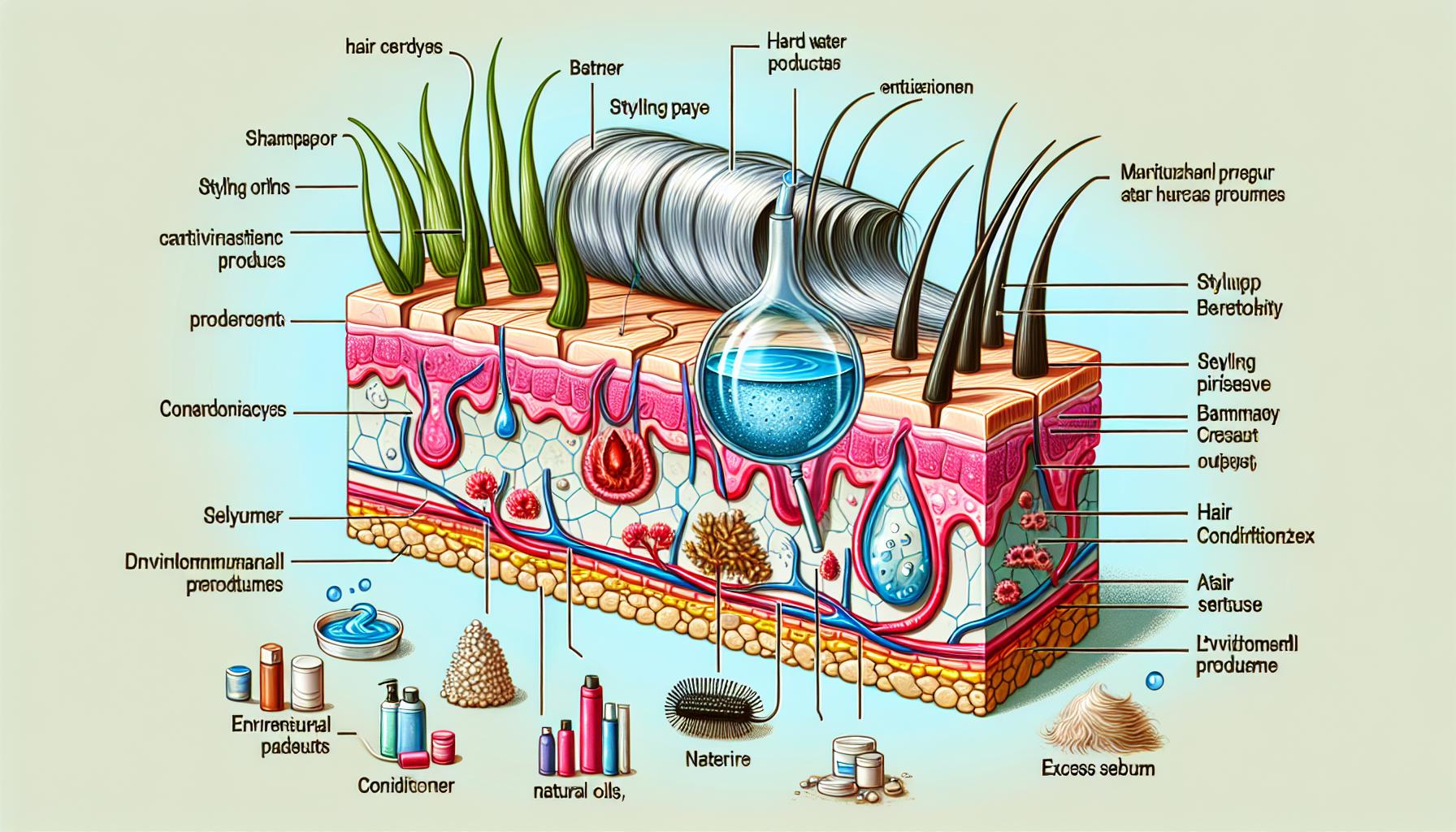
Understanding Hair Build-Up Causes
Understanding what causes hair build-up is like peering into the mystery box of your hair care routine. Sometimes, despite our best intentions, our locks can feel like they’ve entered a stubborn phase, refusing to bounce back to their previous glory. Hair build-up is primarily caused by products, natural oils, and environmental factors that accumulate over time. Think of it as a traffic jam on the hair follicle highway!
Common Culprits
Let’s dive into some of the usual suspects behind hair build-up:
- Hair Products: From shampoos promising volume to serums that work miracles, many products can leave residue on your hair. Ingredients like silicones and certain waxes are notorious for building up over time.
- Conditioners and Oils: While moisturizing is essential, overusing heavy conditioners and oils can coat your strands, making them feel greasy and weighed down instead of luscious and fluffy.
- Environmental Factors: Pollution and hard water can also add to the mess. Those pesky minerals can cling to your hair like an uninvited guest at a party, leaving it dulled and lifeless.
How Often Should You Deep Clean?
Now, you might wonder how to combat this pesky build-up. Think of your hair like a sponge – after a while, it can only absorb so much before it starts to drip! It’s essential to incorporate a deep cleaning treatment into your routine regularly. This might mean using your homemade hair build-up remover once a month (or more frequently if you’re a product junkie). As a personal anecdote, I discovered the importance of a good cleanse after my hair started resembling a bird’s nest after using a particular styling gel; yikes!
Signs You Need a Cleanse
Recognizing when it’s time for a reset can save you from a world of frustration. Here are signs to watch for that indicate your hair may be in desperate need of some TLC:
- Dullness: If your hair has lost its shine, it might be time to purge the build-up.
- Straw-like Texture: When your hair feels dry and brittle, it can often be a sign that it’s burdened with products.
- Increased Greasiness: Even after washing, if it feels oily a day later, that’s your cue.
In the grand scheme of things, hair build-up is just another bump in the road. Understanding its causes will empower you to tackle it head-on, arming you with the knowledge to keep your strands fresh and fabulous!
Essential Ingredients for Effective Removers
When it comes to making your own hair build-up remover, the choice of ingredients is crucial. Think of them as the dream team of your hair care routine—each bringing something unique to the table for an ultimate cleanse that leaves your hair feeling fresh, light, and ready to shine. Getting rid of product build-up doesn’t just help in achieving a cleaner scalp and hair; it also maximizes the effectiveness of the hair care products you already love. Who wants to bury their hair product under layers of excess residue? Not you!
Key Players in Your Cleanser
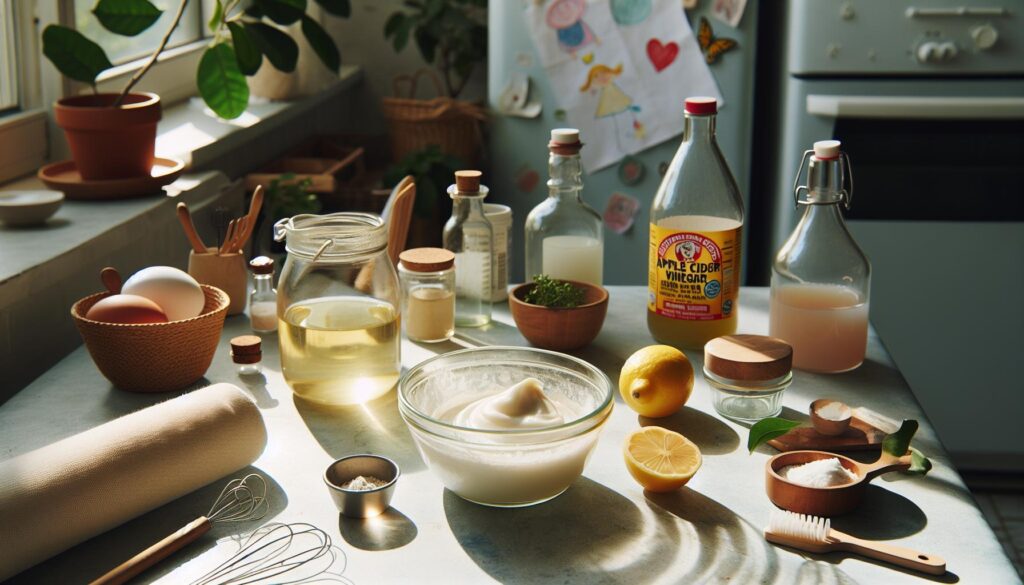
To whip up a perfectly effective hair build-up remover, you’ll need several essential ingredients that work harmoniously. Let’s break it down:
- Apple Cider Vinegar (ACV): This little bottle of magic is known for its ability to balance the pH of your scalp, removing residues like a pro. Think of it as the cool aunt who takes care of all your wild hair days.
- Baking Soda: If you’ve been around the block with DIY remedies, you know this one. It’s like the sponge of the group, soaking up all that nastiness and leaving your hair feeling clean and free. Just remember, moderation is key—too much can make your hair feel stripped.
- Lemon Juice: Brightens and freshens your locks, while also working diligently to cut through grease and grime like a hot knife through butter. Plus, your hair will smell divine!
- Water: The base of any concoction, it hydrates and ensures everything blends smoothly. Think of it as the glue that holds your party together!
Mixing It Up Right
Combining these ingredients in just the right ratios can make all the difference. Here’s a quick cheat sheet for your ratio:
| Ingredient | Measurement |
|---|---|
| Apple Cider Vinegar | 1 cup |
| Baking Soda | 2 tablespoons |
| Lemon Juice | 1/2 cup |
| Water | 1 cup |
Remember, this is a starting point. You might tweak these amounts based on your hair type or how much build-up you’re dealing with. If your hair feels too dry after trying it out, consider dialing back on the baking soda; alternatively, if you’re still feeling weighed down, add a touch more ACV. Each head of hair is like a different flavor of ice cream—everyone has their preference!
Also, don’t forget to give your creation a good shake before every use to mix those glorious ingredients again—like a cocktail with the right vibe for your hair’s happy hour!
Step-by-Step Homemade Recipe Guide
Is your hair feeling like it’s wearing a party hat made of grease and grime? It’s that pesky build-up from products that seem to stick like gum on the bottom of your shoes. Fear not, my shampoo-challenged friend! Making your own hair build-up remover can be as simple as whipping up a batch of cookies—minus the calorie guilt and potential kitchen disasters. So, grab your aprons, and let’s mix some magic!
Gather Your Ingredients
Before diving into the fun, it’s crucial to gather all your ingredients. Think of it as preparing for a small expedition. Here’s what you’ll need:
- 1 cup of apple cider vinegar: This heavenly elixir is a natural clarifier, great for cutting through that stubborn gunk.
- 1 cup of water: Just plain ol’ H2O. We don’t need anything fancy here; it’s going to play a supporting role.
- 1 tablespoon of baking soda: This bubbly buddy will help break down build-up and leave your hair feeling fresh.
- Optional – Essential Oils: A few drops of lavender or tea tree oil can add a delightful scent and additional properties. Just remember, a little goes a long way!
Mixing the Potion
Okay, let’s get a little witchy with our concoction. In a medium-sized bowl, combine your apple cider vinegar and water. If you’re feeling particularly adventurous, mix it in a funky container—it’ll make the process that much more enjoyable! Gradually sprinkle in the baking soda; just watch out for that fizz—it’s like a mini volcano in your kitchen. If you want to add some essential oils, now’s the time! Stir it until it’s well-blended; it doesn’t have to be perfect, but it should be a nice, even mix.
| Ingredient | Measurement | Purpose |
|---|---|---|
| Apple Cider Vinegar | 1 cup | Clarifies and removes residue |
| Water | 1 cup | Dilutes and balances |
| Baking Soda | 1 tablespoon | Breaks down build-up |
| Essential Oils | Few drops (optional) | Adds fragrance and benefits |
Application Time!
Now comes the fun part—apply it! Hop in the shower and wet your hair thoroughly. Pour the mixture over your hair, ensuring to coat it evenly from root to tip. It’s like giving your scalp a little spa day! Allow it to sit for 5-10 minutes, just enough time to kick back and ponder why we neglect our hair health—right? After that, rinse it thoroughly with warm water. Follow up with your regular conditioner to seal the deal and leave your locks feeling as light as a feather. You might just be tempted to twirl around like you’re in a shampoo commercial.
And voilà! You’ve concocted your very own hair build-up remover without setting foot in a beauty supply store. The key takeaway? Nature has given us the tools; we just need to whip ’em up! Remember, everyone’s hair is different, so don’t be discouraged if it takes a couple of tries to find the perfect mix for you. Happy rinsing!
How to Apply Build-Up Remover
Applying your homemade build-up remover is almost as crucial as making it! You’ve got to prep not just your hair, but your entire vibe. The process can feel a bit like cooking your grandma’s favorite recipe; follow the steps, and you’ll be all set for something fantastic!
Step-by-Step Application
First, make sure you’re ready for a mini spa day. Find a quiet spot in your bathroom (you know, the one without those pesky bathroom selfies interrupting your zen). Wet your hair thoroughly with warm water. This will help open up your hair cuticles and allow the remover to work its magic more effectively. Warm water is your friend here, embracing each strand like a cozy hug.
Next, it’s time to apply the homemade build-up remover. Here’s how:
- Section your hair into manageable parts. Think of it like giving your hair a little organization, just like how Marie Kondo does it for your home—less mess leads to more manifesting!
- Generously spray or pour the build-up remover onto each section, ensuring it’s well coated from root to tip. Gently massage it into your scalp. Pro tip: try to channel your inner shampoo commercial star while doing this. Everyone wants to look fabulous, am I right?
- Leave the mixture on for about 5 to 10 minutes to let it penetrate and dissolve any nasty buildup. During this time, you might want to catch up on a TikTok that’s been lingering in your ‘Saved’ folder or dance like no one’s watching!
Rinse & Repeat
After letting that magical potion do its thing, it’s time to rinse. Rinse thoroughly with warm water, ensuring all traces of the build-up remover are gone. You don’t want any residue left hanging out like that one friend who overstays their welcome at a party. Follow up with your favorite conditioner, as you want your hair to feel as soft as a cloud after this treatment!
If you feel a bit more adventurous, why not mix it up with a light shampoo post-rinse? This can help clear out anything still lingering, which is particularly helpful if you use a lot of styling products. Just remember, moderation is key—don’t go overboard with the shampoo, or you might find your strands crying for moisture!
this simple yet effective process can help maintain luscious locks free from the gunk that can dull their shine. And honestly, who wouldn’t want to meet the world with hair that glistens like a freshly polished apple?
Tips for Maintaining Clean Hair
When it comes to our hair, a little TLC goes a long way. Just like a garden needs regular watering and weeding, our hair requires maintenance to stay healthy and free of stubborn product buildup. Picture this: your hair is a sponge, absorbing all the good stuff from your shampoos and conditioners. Over time, though, that sponge can get full and cease to work effectively. To keep your locks flowing like a river, you’ll want to integrate some easy strategies into your hair care routine.
Use the Right Products
Choosing the right products is like picking the perfect pair of shoes – it can make or break your day! Opt for sulfate-free shampoos if you use a lot of styling products. Sulfates can strip your hair of its natural oils, leading to dryness and more buildup. Some great options to consider are:
- Cleansing shampoos: Specifically designed to remove buildup without stripping your hair down.
- Clarifying shampoos: Use once a month for a deep clean, but beware—they can be a little harsh!
- Natural ingredients: Look for products with ingredients like apple cider vinegar or tea tree oil, which can help maintain a clean scalp.
Switching your products can require some trial and error—kind of like dating! What works wonders for your friend’s hair might not work for yours, so don’t hesitate to keep experimenting until you find your perfect match.
Incorporate DIY Treatments
Sometimes, Mother Nature knows best! Why not dive into your kitchen and whip up some DIY treatments? Natural remedies can pack a powerful punch when it comes to cleansing hair. A good old baking soda treatment can leave your hair feeling fluffy and light. Just mix a tablespoon of baking soda with your regular shampoo, and voilà! You’ve got a mini hair detox.
Add a splash of vinegar (preferably organic) to your hair care routine as a rinse or in a spray. It not only helps to cut through the grime but also restores the pH balance of your scalp. Trust me, your hair will feel like it just got back from a spa day—complete bliss!
Be Mindful of Your Washing Routine
How often do you wash your hair and what are your washing habits? This can be as personal as choosing your hair color; everyone has their preferences. If you wash daily, consider easing back a bit. Over-washing can strip your scalp and hair of essential oils and lead to increased dryness and a cycle of buildup as you compensate with more products.
Try to aim for washing every 2-3 days. On the days in between, embrace dry shampoo like it’s your best friend! Just sprinkle some on your roots, let it absorb the oil for a few minutes, and brush it out. Think of it as a quick pick-me-up for your hair between its spa days.
Keep Tools and Accessories Clean
Ever overlooked cleaning your hairbrush? I’ve caught myself in that sticky situation more times than I care to admit! Keeping your styling tools clean is just as crucial as maintaining your hair itself. Hairbrushes, combs, and styling tools can harbor oils, dust, and grime like nobody’s business. Aim to give your brushes a thorough clean every couple of weeks.
You can easily soak them in warm, soapy water mixed with a drop of shampoo, then rinse them off—just like giving them their own little bath. 🌊 Trust me, clean tools can make the world of difference in your styling routine and overall hair health!
Staying on top of hair maintenance can not only help avoid the dreaded buildup but also keep your hair looking vibrant and fabulous! Remember, it’s all about finding a rhythm that works for you. Happy hair days ahead!
Natural Alternatives for Hair Care
When it comes to keeping your hair looking fabulous without the use of harsh chemicals, you might want to explore some natural alternatives that can do wonders—think of them as Mother Nature’s little hair helpers! You know, the kind that make your locks feel fresh and revitalized without the guilt of contributing to environmental chaos or reading ingredient labels that sound more like a science experiment than hair care. From your kitchen pantry to your garden treasures, there’s a world of effective solutions waiting to be discovered.
Essential Oils
Essential oils may sound fancy, but they’re really just concentrated plant extracts with powers that can transform your hair game. Tea tree oil is a must for battling build-up because it’s antibacterial and can help unclog those hair follicles—practically a spa day for your scalp! Plus, there’s rosemary oil, known for promoting hair growth. Want thick hair? Just a few drops blended with your favorite carrier oil can work wonders. If you’re channeling your inner DIY enthusiast, add a few drops to your shampoo or conditioner for that instant zen vibe during your shower.
Natural Acids
Think of natural acids as your hair’s personal cheerleaders! Apple cider vinegar (ACV) stands proudly at the front of the line, ready to tackle build-up like a pro. Just mix one part ACV with two parts water and rinse your hair after shampooing. It’s like giving your hair a refreshing lemonade bath! The acidity of ACV helps balance the pH of your scalp, resulting in shiny locks that practically sing when you whip your head around. On another note, lemon juice can also brighten up your hair while reducing grease—just remember to rinse it out well to avoid looking like a walking hair salad.
Herbal Rinses
If you’re feeling adventurous, why not dive into the realm of herbal rinses? Burdock root and nettle are popular choices among hair care aficionados. You can brew a strong tea using these herbs—imagine sipping on them as an herbal infusion for your hair! Black tea not only adds shine but can also help with oily scalps. Simply steep the tea, let it cool, and use it as a final rinse after shampooing. Your hair will thank you for the decadent treatment. Plus, it doubles as a conversation starter; who wouldn’t want to talk about home-brewed hair potions over brunch?
In the quest for a clean, vibrant mane, it’s important to consider your hair type while exploring these natural options. What works wonders for one person may leave another feeling a tad green with envy (or just green with disappointment). Always feel free to test a patch with these remedies first, especially if you have sensitive skin or scalp issues. Ongoing research in natural remedies is revealing new insights that constantly reshape our approach to hair health. Embrace the journey of discovery, and you may just find your hair’s new best friend!
Signs You Need a Build-Up Solution
Sometimes your hair can feel like it’s been through a tough battle, and the signs can be glaringly obvious! If you’re finding that your luscious locks have started to resemble a confused bird’s nest or feel like they’ve been coated in a mysterious residue, it’s time for some detective work. Your hair may be crying out for help, and the first step is identifying the signs that hair build-up is the culprit.
### Understanding the Signs
When it comes to recognizing the need for a build-up solution, here are some key indicators to keep an eye out for:
- Heavy or Weighed Down Hair: If your hair feels more like spaghetti than a soft mane, you might be dealing with product build-up.
- Lack of Shine: Dull, lifeless hair is rarely a good sign. Shiny, healthy hair is often a good indicator that your hair care routine is on point.
- Scalp Irritation: If your scalp feels itchy or looks flakier than your favorite pizza, it could be time to check for excess product accumulation.
- Struggling with Styling: When your go-to hair products no longer work their magic and styling becomes a battle, build-up might be to blame.
### A Closer Look
To dive a bit deeper, think about how often you’re using products. Are we talking daily doses of mousse, hair sprays, or oils? Each product adds a layer, and over time, these layers can create a thick, sticky tapestry that’s anything but beautiful. You might think “more is more” when it comes to hair care, but let’s face it – too much can transform your hair into a gooey mess.
Another thing to ponder is how often you wash your hair. Don’t worry, I won’t judge! We all have our preferences—whether you’re a daily washer or proudly rocking the “dirty hair don’t care” look. But, if you notice your roots are starting to resemble a horror film or you experience an awful sense of heaviness, it’s likely that a good cleanse is overdue. Think of your hair like a canvas; it needs to be cleaned and prepped before you can create your masterpiece.
### Homestyle Tests for Build-Up
You can also try a few simple tests to check for build-up. One quick way is to take a small strand of hair and dampen it, then gently squeeze it to see what comes out. If you see a residue or it doesn’t spring back, you might be in a sticky situation.
A friend of mine once did a dramatic hair flip and ended up tossing her head back in disbelief because her gorgeous tresses felt like they belonged in a 90s hair gel commercial—it was time for her to get that build-up remover on deck! The best part? You’ll be ready to whip up your homemade solution after recognizing these signs—and who doesn’t love a good DIY moment, especially when it leads to fabulous hair days?
By staying vigilant about these signs and maintaining an awareness of what your hair is trying to tell you, you can embark on your quest for the ultimate clean, healthy hair. Plus, a good build-up remover can shine a spotlight on your gorgeous hair, making those compliments roll in like candy at a parade!
Frequently Asked Questions
What are the signs of hair build-up, and why does it happen?
Hair build-up refers to the accumulation of products, environmental pollutants, and natural oils on the hair and scalp, which can lead to a range of issues. Some common signs that your hair is experiencing build-up include:
- Dullness: When hair appears lackluster or loses its shine, it may be due to a residue of hair products blocking light reflection.
- Heavy or Sticky Texture: Hair may feel greasy, sticky, or weighed down, making it difficult to style or achieve the desired volume.
- Dry Scalp or Dandruff: Build-up can irritate the scalp, leading to dryness, flakiness, or even scalp acne.
- Reduced Product Effectiveness: If your usual shampoo or conditioner isn’t working as well, it might be prevented from penetrating the hair due to build-up.
Build-up typically occurs when too many styling products like gels, creams, or sprays are used without proper cleansing. Environmental factors such as pollution, hard water minerals, and natural hair oils can also contribute. For example, certain hair sprays leave behind a polymer residue that can accumulate over time, exacerbating the problem. Hence, it’s essential to periodically incorporate a clarifying routine alongside your normal hair care regimen.
How can a homemade hair build-up remover help?
Using a homemade hair build-up remover is a natural and cost-effective solution to help restore the health of your hair and scalp. Unlike commercial products that may contain harsh chemicals, homemade remedies often utilize natural ingredients, reducing the risk of irritation and allergic reactions.
Some popular homemade remedies include solutions made from baking soda, apple cider vinegar, or lemon juice. These ingredients are known for their gentle cleansing properties. For instance, baking soda acts as a mild abrasive that helps scrub away residue, while apple cider vinegar has acidic properties that can restore the natural pH of the scalp, promoting a healthier environment for hair growth.
Additionally, many people find that homemade solutions are customizable. You can adjust the ingredients based on your specific hair type and concerns. For example, if you have oily hair, you may choose to add more apple cider vinegar for its clarifying benefits, whereas those with dry hair might prefer to include a few drops of essential oil for moisture. This allows for a more personalized approach, providing potential benefits that store-bought options may not offer.
What ingredients are commonly used in homemade hair build-up removers?
There is an array of ingredients you can use to create a homemade hair build-up remover. Some of the most effective and popular options include:
- Apple Cider Vinegar (ACV): Known for its ability to break down product build-up, ACV also leaves hair shiny and soft due to its acidic nature, which helps restore the natural hair balance.
- Baking Soda: This versatile ingredient acts as a gentle exfoliant and can effectively lift away dirt and residue from hair and scalp.
- Lemon Juice: Rich in citric acid, lemon juice can help remove excess oil and product residues, while providing a refreshing scent.
- Aloe Vera Gel: Known for its moisturizing properties, aloe vera can soothe the scalp and hydrate the hair, making it suitable for those with dry hair.
When creating a homemade hair build-up remover, you can mix these ingredients in various combinations to suit your hair needs. For example, a simple recipe might involve mixing equal parts of water and apple cider vinegar, while adding a tablespoon of baking soda for extra cleansing power. It’s essential to find the right proportions to avoid overly dry hair, especially if you frequently clarify your hair.
How often should I use a homemade hair build-up remover?
The frequency with which you use a homemade hair build-up remover largely depends on your hair type, the products you use, and your environmental exposure. For individuals who frequently use styling products, or live in areas with high levels of pollution, using a build-up remover once every two to four weeks might be beneficial.
On the other hand, if you find that your hair is relatively clean and your product usage is minimal, you may only need to use a build-up remover every month or so. Oily hair types may require more frequent treatments, as their natural oils can mix with styling products, leading to quicker build-up. Conversely, those with dry or curly hair might want to space out treatments to prevent excessive drying.
It’s essential to pay attention to how your hair and scalp respond. If you notice signs of build-up, like dullness or difficulty styling, it may be time for a treatment. Balancing your use of homemade removers with regular moisturizing routines can help maintain the health of your hair without subjecting it to too much stripping.
Are there any precautions to take when using homemade hair build-up removers?
While homemade hair build-up removers can be effective, it’s important to take certain precautions to ensure they are safe and beneficial for your hair. First, always perform a patch test, especially if you have sensitive skin or are using potent ingredients like lemon juice or baking soda. Apply a small amount to a discreet area of your scalp or skin and monitor for any adverse reactions, such as redness or irritation.
Be aware of how often you are using these treatments. Overuse, even of natural ingredients, can lead to dryness or damage. For example, too much vinegar can strip the hair of its natural oils, leaving it brittle. To mitigate this risk, consider diluting acidic components (like apple cider vinegar) with more water, particularly if you have dry or processed hair.
Lastly, consult with your hair care professional if you have any specific hair concerns or conditions (such as scalp psoriasis or dermatitis). They can offer guidance on how to incorporate homemade remedies into your routine safely and effectively without aggravating any existing issues. Proper application and moderation are key to achieving the best results while maintaining hair health.
Can homemade hair build-up removers work for all hair types?
Yes, homemade hair build-up removers can be beneficial for various hair types, but the effectiveness and choice of ingredients might differ based on specific needs. For instance, individuals with oily hair may benefit greatly from the clarifying properties of apple cider vinegar or lemon juice, which can help remove excess oil and product remnants quickly.
On the other hand, those with dry or damaged hair should approach homemade solutions with caution. While using baking soda can be effective, it may also strip essential moisture. In this case, adding moisturizing agents like aloe vera or using less potent mixtures can offer cleansing without compromising hydration.
For curly or textured hair, it’s crucial to avoid excessive drying, as tight curls are naturally drier. A homemade remedy for this hair type could focus on gentler ingredients and moisturizing properties while ensuring adequate cleansing. Customizing your approach based on your hair’s unique characteristics not only helps in achieving desired results but also protects your hair’s natural health.
How can I further prevent hair build-up after using a remover?
After employing a homemade hair build-up remover, you can take several proactive steps to minimize future build-up. First, consider simplifying your hair care routine. Opt for the minimal use of heavy products that tend to accumulate over time. This means relying on lighter formulations, and avoiding products with harsh silicones, waxes, or oils that can contribute to build-up. Look for non-comedogenic products, which are less likely to clog hair follicles.
Additionally, regularly switching between different shampoos may help by preventing your hair from becoming accustomed to any one product, which might lead to reduced efficacy over time. Using a clarifying shampoo occasionally in place of your routine shampoo can further help in controlling build-up.
Hydration is also essential. Always follow up with conditioners and treatments suited for your hair type after a buildup-removal session to maintain moisture levels. Incorporating a weekly pre-shampoo treatment, such as oiling or using a hydrating mask, can aid in keeping your hair balanced and healthy. By adopting these practices, you can not only maintain the results of your treatment but also promote a cleaner, happier scalp and hair.
Key Takeaways
our “Homemade Hair Build-Up Remover Recipe” is not just a DIY project; it’s a simple yet effective way to restore your hair’s natural luster and vitality. By harnessing the power of easily accessible ingredients, you’re not only opting for a cost-effective solution but also avoiding the harsh chemicals often found in commercial products. With this guide, you are empowered to transform your hair care routine and say goodbye to dullness and residue.
Remember, regular maintenance is key! Incorporate this cleaning ritual into your regimen every few weeks, and you’ll be on your way to hair that shines, feels soft, and is free of pesky build-up. Plus, think of all the money you’ll save while impressing your friends with your newfound hair knowledge—trust us, they’ll be begging for your secrets.
So, why not give it a try? Grab those ingredients, channel your inner chemist, and let the magic unfold. Whether you’re a hair care guru or just starting out, this homemade remedy is your ticket to a healthier mane. Because in the world of hair care, less build-up means more beautiful hair—now that’s something to celebrate!