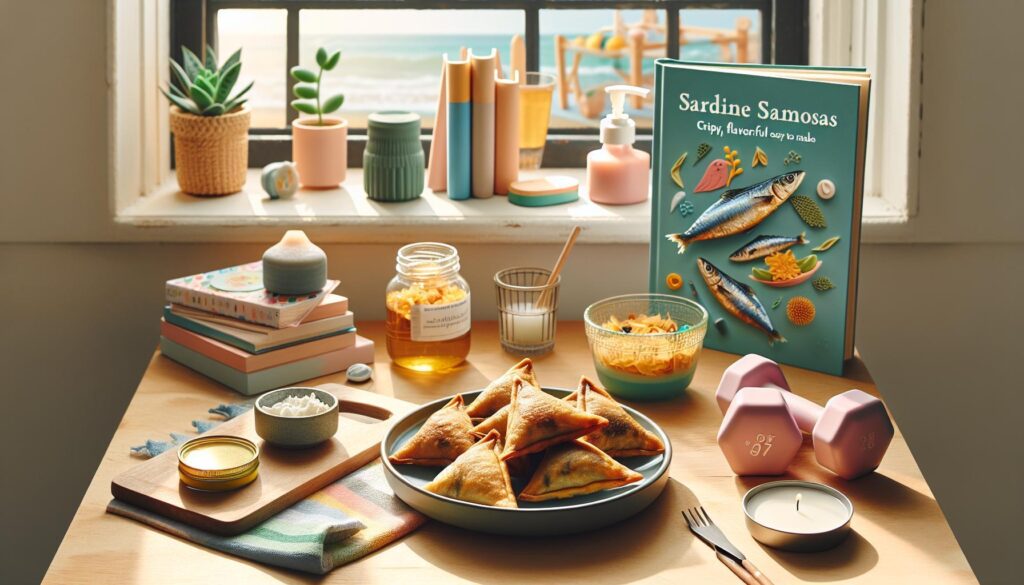

Looking to spice up your snack game? Our “Sardine Samosa Recipe: Crispy, Flavorful, and Easy to Make” is the perfect solution for anyone craving a delicious twist on a classic treat. With a tantalizing blend of spices and the rich flavor of sardines, these samosas are not only crispy but also incredibly simple to whip up at home, making them a fantastic choice for both casual gatherings and more formal occasions. Join us as we walk you through this delightful recipe that promises to impress your taste buds and elevate your culinary skills—all without complicating your kitchen routine.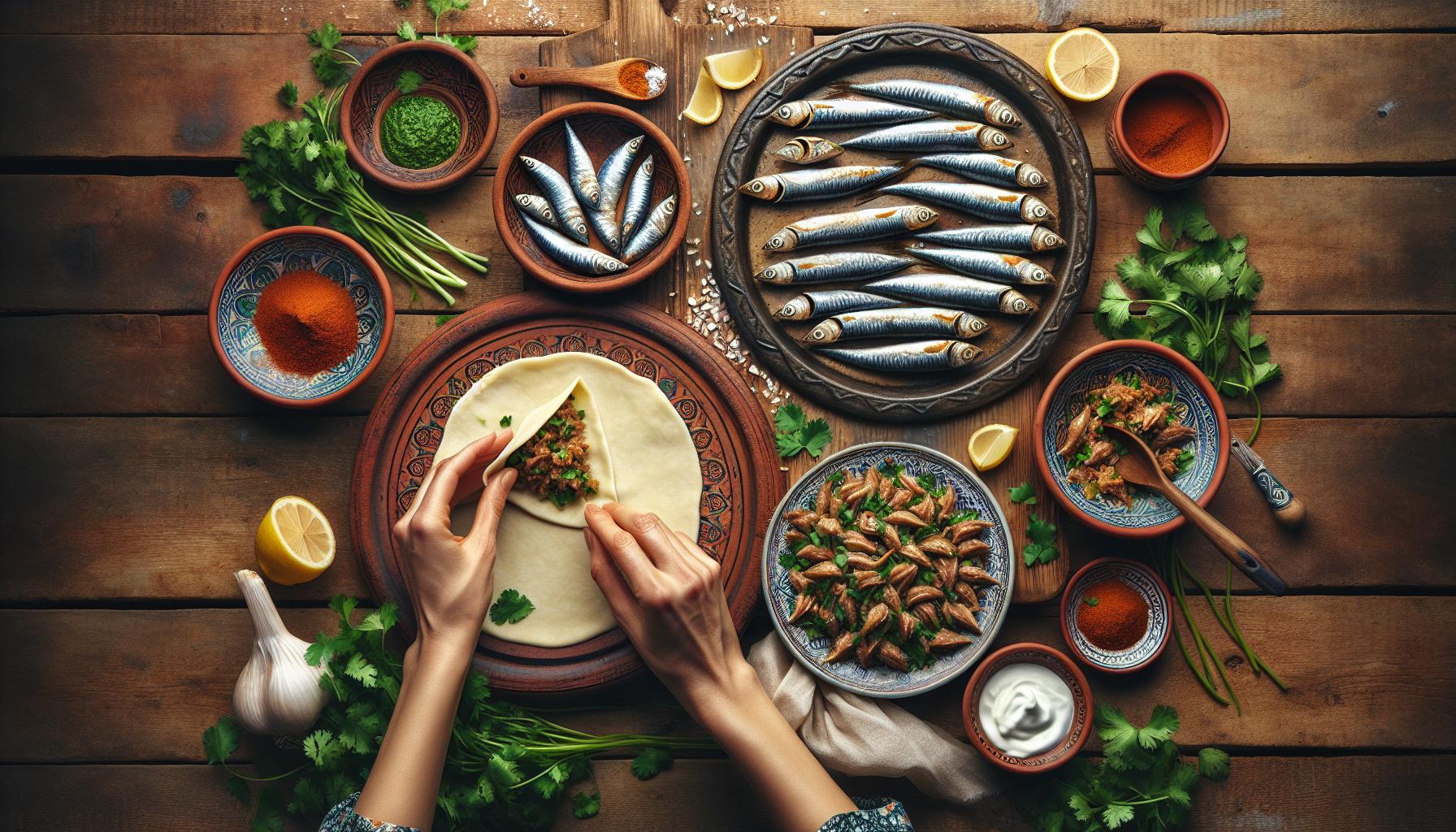
Master the Art of Sardine Samosas
Creating sardine samosas is like crafting little flavor bombs wrapped in crispy goodness — quite honestly, what’s not to love? When you think of casual snacking, these delightful morsels take the cake. Their crunchy outside is an inviting contrast to the savory filling, and trust me, it doesn’t hurt that they’re also incredibly easy to make. Imagine sipping chutney while waiting for these golden triangles to come out of the fryer; you might just start doing a little dance in the kitchen!
Ingredients that Sing
To whip up a batch of these tasty treats, you need to gather a few essentials. Think of this list as your treasure map guiding you through the culinary treasure that are sardine samosas. Here’s what you’ll need:
- 1 can of sardines – their rich flavor is what we’re after.
- 1 cup of all-purpose flour – for that flaky dough.
- 2 tablespoons of oil – for mixing into the dough.
- Water – just enough to form a dough, but not too much!
- Spices like cumin, coriander, and garam masala – a blend that packs a punch!
- Chopped onions and green chilies – because who doesn’t love an oniony kick?
- Fresh herbs (like cilantro or parsley) – for garnish and flavor.
- Salt to taste – don’t skip this step; it’s key!
If you’re the spontaneous type, don’t hesitate to add your own twist! Extra potato? Some cheese? Go wild, my friend!
The Perfect Dough
Now, let’s talk about the dough. It’s practically the canvas for your art! To achieve that perfectly flaky texture, start by mixing the flour and oil until it resembles breadcrumbs. It can be a bit messy, but that’s part of the fun, right? Slowly add water while kneading—this is where the magic happens! You want a soft but non-sticky consistency. If you can make a little dough ball without it sticking to your hands, you’re golden!
Once your masterpiece is formed, wrap it in a damp cloth and let it rest for about 20 minutes. Yes, even dough needs a break! This allows it to relax, making it easier to roll out later. In the meantime, prepare the filling by mixing up your sardines, spices, and chopped veggies. Feel free to taste along the way—after all, we must ensure it’s as delectable as it sounds!
Shaping and Frying
Now comes the fun part: shaping those tasty triangles! Roll out the dough into thin circles, about 6 inches in diameter. Cut each circle in half and shape them into a cone, sealing the edge with a little water. Trust me; it’s like creating a tiny hat for dinner! Then, fill each cone with your sardine mixture and pinch the top to seal it up tight. Make sure they are fully sealed; otherwise, they might just burst open in the fryer, leaving a sad puddle behind.
Heat oil in a deep pan and fry those beauties until golden brown. Remember, patience is key here—you want them crispy and not burnt to a crisp! As they bubble and sizzle, your whole kitchen will fill with a mouthwatering aroma. It’s like an invitation to snack town!
Before you know it, you’ll have a plate full of golden-crispy, sardine-stuffed samosas ready to dip into your favorite chutney or sauce. As you take that first bite, you’ll savor the warmth of spices that tell stories of family gatherings and delicious nights spent with friends. Who knew something so fun to make could also harbor so many fond memories? So roll up those sleeves, unleash your inner chef, and let the sardine samosa adventures begin!
Unlock Flavor with Sardine Filling
Unlocking the vibrant flavors of sardines can convert the humble samosa into an extraordinary culinary experience. Imagine biting into a crispy, golden exterior, only to reveal a deliciously seasoned filling that dances on your palate. These little fish pack a punch of flavor, transforming your samosas from basic to show-stopping in mere moments. With their rich, briny taste complemented by various spices, sardine filling is not only delicious but also an economical way to boost your snack offerings.
The Secret to the Perfect Filling
Creating the ultimate sardine filling is as much an art as it is a science. Here’s a quick checklist to ensure you’re making the most of those little fish:
- Quality of Sardines: Opt for high-quality canned sardines in olive oil—trust me, the flavor is unmatched. Brands like Wild Planet or King Oscars are crowd favorites.
- Spices: Don’t shy away from using a blend of spices! A dash of cumin, a sprinkle of coriander, and maybe a hint of chili powder can elevate the fishing game.
- Add-Ins: Consider mixing in diced onions, chopped cilantro, or even a squeeze of fresh lemon to enhance freshness!
Now, let’s delve into some flavor combinations that can take your samosas to new heights. Recall that buttery taste of those fresh-out-of-the-oven samosas at your local stall? It’s all about balancing rich flavors with light notes—something every storied street vendor seems to have perfected.
Creating Your Flavorscape
Imagine incorporating a Mediterranean twist with olives and feta, resulting in a truly unique experience. Or dive into nostalgia with a spicy mango chutney that pairs marvelously with the sardine’s brininess. Here are a few ideas you might not have considered:
| Flavor Component | Impact on Taste |
|---|---|
| Chili Flakes | Adds a warm kick! |
| Mint Leaves | Brings freshness to the rich filling. |
| Garlic Paste | Infuses a robust flavor that compliments the sardines. |
| Potatoes | For those who like a hearty filling! |
Additionally, have you ever thought about alternative sardine fillings? Tinned fish is making a comeback—who knew? There’s a growing trend among foodies to experiment with things like smoked mackerel or anchovies. They all bring distinctive flavors to the table, making your samosas not just fishy but downright gourmet!
So, whether you’re a sardine skeptic or a committed fan, this approach allows room for personal expression and culinary exploration. Trust me, your taste buds will thank you!
Crispy Dough Techniques for Samosas
When it comes to mastering the art of making samosas, the secret often lies in the dough. Picture it as the thin shield that holds all the juicy goodness inside, so it’s crucial to get it just right. Your dough can either be your best friend or your worst enemy, depending on how you treat it. If you’ve ever bitten into a samosa only to discover a soggy pastry, you’ll know exactly what I mean. Fear not! With a few crispy dough techniques, your sardine samosas are bound to shine at the next potluck or family gathering.
Perfecting the Dough
The fundamental trick in achieving a crispy dough is using the right fat. Traditional recipes often recommend ghee, which not only gives a rich flavor but also helps in creating layers that become flaky when cooked. However, if ghee isn’t your jam, feel free to use butter or even vegetable oil. Just remember—fat adds to both taste and texture!
An easy approach is to mix your flour with fat before adding water. This technique ensures that each particle of flour is coated, leading to a shorter, crispier texture when fried. As you mix, it should resemble coarse crumbs. Think of it like creating a sandcastle—the right consistency is key! Speaking of water, always add it gradually. Too much water will make your dough tough. It’s like trying to fill a balloon while not letting it pop. Get that sweet balance right for optimum dough elasticity!
Resting Is Key
After you’ve mixed everything into a manageable ball, don’t rush to roll it out immediately. Instead, wrap it up in a damp cloth or plastic wrap and let it rest for at least 30 minutes. This resting period allows the gluten to relax, making your dough easier to roll out and less likely to shrink back. You wouldn’t want dough that fights you back, would you? It’s kind of like that stubborn gym buddy who never wants to do leg day—just let it chill for a bit!
For the ultimate crispy exterior, consider experimenting with different types of flour. While all-purpose flour is a classic choice, using a mix of whole wheat and all-purpose can add depth to the flavor and a little more bite. Want an extra crispy finish? Add a touch of semolina to your dough. Just don’t go overboard—it’s all about balance, like life in general!
The Rolling Technique
Once your dough is rested and your outlet for culinary creativity is on full blast, it’s time to roll. After dividing the dough into small balls, remember to keep your workspace sprinkled with a bit of flour to prevent sticking—unless you fancy a game of “how much dough can I rescue?!” When rolling out each ball, aim for a thickness of about 1/8 inch. Thinner means crispier, but don’t go too thin—you want your samosa to hold its shape against the filling.
Before you fry, ensure your oil is hot. A common test is to drop in a small piece of dough; if it sizzles and rises to the surface, you’re golden! Frying at the right temperature helps to develop that crispity-crunch exterior. Pro tip: Once you place the samosas in hot oil, don’t overcrowd the pan; give them some breathing room, just like you would with friends after a spicy curry night!
By practicing these techniques, you’ll master the crispy dough that makes each sardine samosa worthy of a royal banquet—or at least the esteemed “Best Snack at Home” award!
Health Benefits of Sardines Explained
Sardines are not just canned fish; they’re little powerhouses packed with nutritional goodness! When you sink your teeth into those crispy sardine samosas, know that you’re not just enjoying a delicious treat, but also nourishing your body in several beneficial ways. First off, let’s talk about omega-3 fatty acids. These are the good fats that everyone seems to be raving about, and sardines are overflowing with them. They’re great for heart health and can lower the risk of heart disease, which is a bonus if you’ve ever had that “my heart might just escape my chest” feeling during a spicy samosa binge!
Rich in Nutrients
Sardines shine when it comes to vitamins and minerals. Did you know that these tiny fish are an excellent source of vitamin D? They help with bone health and are especially crucial if you live in places where the sun doesn’t grace your skin often. Plus, they’re loaded with calcium, making them a fantastic option for anyone looking to boost their bone density—like the superhero your grandma always said you could be!
- Protein Power: Just a serving of sardines offers over 20 grams of protein; perfect for post-workout recovery or a long day at work.
- B12 Blast: Sardines are also a great source of vitamin B12, which supports nerve function and prevents fatigue, ideal for those afternoon slumps when all you want is a nap!
Brain Benefits
Now, let’s not forget about your brain. Studies suggest that the omega-3s found in sardines may reduce inflammation in the brain and support mental clarity. Imagine running a race where your mind is the athlete—wouldn’t you want to fuel it with the best stuff available? So, the next time you’re feeling foggy while battling that never-ending work report or cramming for exams, toss in some sardines before you hit the books, and feel the difference!
| Nutrient | Amount per 100g | Health Benefits |
|—————–|———————–|————————————————|
| Omega-3 Fatty Acids | 2,205mg | Supports heart and brain health |
| Vitamin D | 300 IU | Helps absorb calcium, promoting bone health |
| Calcium | 382mg | Essential for strong bones and teeth |
| Vitamin B12 | 8.9µg | Important for nerve function and energy levels |
Incorporating sardines into your meals doesn’t just add a flavor punch but offers a variety of health benefits that could keep you thriving. Not to mention, they can be a fun conversation starter—who wouldn’t want to brag about their elevated omega-3 levels over a heated discussion about the best samosa fillings?!
Pairing Sauces for Sardine Samosas
When you whip up a batch of sardine samosas, you’re not just indulging in a crispy snack; you’re diving into a world of flavors and textures that deserve a stellar companion. A well-paired sauce can elevate those savory morsels from delightful to downright mesmerizing. Let’s explore some delightful accompaniments that will enhance your sardine samosas and leave your taste buds dancing.
Classic Mint Chutney
Nothing says “party” like a fresh burst of mint chutney. With its vibrant green hue and refreshing taste, this sauce is a staple in many South Asian cuisines. A splash of lemon juice combined with refreshing mint and a hint of green chili can brighten up the rich fillings of your samosas. As you dip into it, you’ll experience a zesty kick that beautifully contrasts with the sardines’ natural oiliness. You can even get fancy and add a bit of yogurt for creaminess—because why not indulge a little more?
Spicy Tamarind Sauce
If you’re looking to take a walk on the wild side, spicy tamarind sauce is your go-to. This sauce delivers a punch that’s both sweet and tangy, almost like the emotions of a romantic comedy—unexpected yet delightful. By combining tamarind paste, sugar, chili powder, and a splash of vinegar, you create a dip that compliments the savory flavor of the sardines perfectly. Imagine dipping the crispy samosas into this richly colored sauce—it’s a culinary match made in heaven!
Daring Yogurt Sauce
Now, if you’re the type who thinks everything is better with a dollop of yogurt, consider crafting a yogurt sauce. Mix plain yogurt with cumin, garlic, and even a sprinkle of paprika, and voilà! You’ve got a cool, creamy dip that adds a refreshing layer to every bite. The tanginess of the yogurt can help tone down any spiciness from your samosas, creating a divine balance. Plus, it’s a great way to sneak in some probiotics for a gut-friendly snack.
Sriracha Delight
Lastly, for spice aficionados, look no further than Sriracha sauce. That iconic bright red bottle brings a certain swagger to any dish. Just a drop or two can add a fiery kick that keeps your taste buds on their toes. Mix it with a bit of honey to create a sweet and spicy masterpiece that marries beautifully with the richness of your sardine filling. This combo is an experience—one that might just have you double-dipping in delight.
As you venture into the world of dipping sauces for your sardine samosas, remember it’s all about balance. Whether you’re a mint chutney fan or a spicy Sriracha enthusiast, the key is to harmonize flavors. After all, the joy of cooking (and eating) is weaving together ingredients that speak to your palate. So grab those samosas, invite some friends over, and let the feast begin!
Serving Suggestions for Lasting Impressions
Sardine samosas can steal the spotlight at any gathering, but how you serve them can elevate that experience from simply delightful to downright unforgettable. Think of your presentation as the cherry on top of a delicious sundae. While your samosas will do the heavy lifting in terms of flavor, thoughtfully curated serving ideas can captivate your guests and make the meal feel special.
Pairing Dips and Sauces
No snack is complete without a few zesty companions to add an extra kick. When serving your crisp and flaky sardine samosas, consider these dip options:
- Mint Chutney: Fresh and vibrant, it’s like a refreshing breeze on a hot day—perfect for cutting through the richness of the samosas.
- Tamarind Sauce: A sweet and tangy contrast that dances on your taste buds—it’s what brings the flavor fireworks!
- Spicy Yogurt Dip: Creamy with a hint of heat, this dip soothes the palate and makes every bite moist and irresistible.
Setting up a dip station adds a fun, interactive element to your meal. Arrange the dips in vibrant bowls, garnished with fresh herbs, and watch as your guests mix and match, turning the humble samosa into a snack fest worthy of Instagram fame.
Plating Like a Pro
While the taste is king, let’s not diminish the power of presentation—after all, we eat with our eyes first! Here’s how to plate those samosas for maximum impact:
- Use colorful platters: A bright blue or vibrant ceramic dish can help your golden-brown samosas stand out.
- Garnish with greens: A sprinkle of fresh cilantro or a few slices of lemon can add that pop of color and freshness that makes your dish look gourmet.
- Arrange creatively: Instead of just stacking them haphazardly, try fanning them out or creating a little circle around a small bowl of dip for that ‘wow’ factor.
A Side of Sides
Contrasting textures and flavors can create a more satisfying meal, so consider adding a couple of side dishes:
- Cucumber Salad: Crunchy, refreshing, and a lovely palate cleanser, it’s like a tiny spa day for your taste buds.
- Spicy Potato Wedges: Because what’s a stellar snack without some well-seasoned spuds? They complement the samosas beautifully and add heartiness to the meal.
Creative Serving Options
If you want to really impress your friends, how about some unconventional serving ideas?
- Samosa Skewers: Thread mini samosas onto skewers with grilled veggies for an eye-catching display. Perfect for finger food lovers at parties!
- Mini Samosa Cones: Serve your samosas in little paper cones—think food truck vibes. This adds a fun twist and makes for easy snacking as people mingle.
Consider a buffet-style setup for larger gatherings, allowing guests to grab their own samosas and sides. Arrange everything in a way that encourages mixing and mingling, because, let’s be honest, good food is all about good company!
With these serving suggestions, your sardine samosas won’t just be a culinary delight; they’ll be the talk of the town—if not the galaxy! Get ready for everyone to come back for seconds… and thirds!
Common Mistakes in Samosa Preparation
When diving into the world of samosas, especially with something as unique as sardine filling, it’s easy to fall into a trap of common blunders. Picture yourself in the kitchen, apron on and enthusiasm high, ready to whip up some crispy delights only to encounter a few hiccups along the way. We’ve all been there, haven’t we? Let’s navigate through these missteps together, ensuring your sardine samosas turn out perfect every time!
Filling Overload
One of the most frequent mistakes is getting a bit too excited and overstuffing those little pastry pockets. It’s like trying to fit all your favorite toppings on a pizza—it might sound great, but there’s a threshold! The result? Samosas bursting at the seams and messy fillings oozing out during frying. Aim for a golden ratio instead: about 1 tablespoon of filling per samosa. This way, you’ll keep them intact and ensure a delightful bite without an explosion!
Inconsistent Dough Thickness
Have you ever seen a samosa that looks like it went a few rounds with a rolling pin? Uneven dough can lead to uneven cooking, creating a soggy bottom while the edges wind up well-done. The key to success lies in achieving uniform thickness. Roll the dough to about 1/8 inch thick for perfectly crispy results every time. If you feel like a samosa Picasso, try out cute shapes for fun—just remember, even masterpieces need to cook evenly!
The Frying Fiasco
Temperature can be a fickle friend when it comes to frying. Too hot, and your samosas will funkily brown on the outside while staying raw inside; too cool, and they’ll soak up oil like a sponge (yikes!). Ideally, you want that oil to be around 350°F (175°C)—a good rule of thumb is to drop a small piece of dough into the oil: if it sizzles and starts to bubble up, you’re golden!
Ignoring the Cooling Period
Once you’ve achieved that crispy, golden perfection, there’s the temptation to dive right in. But hold your horses! If you don’t let your samosas cool on a wire rack, they’ll steam themselves and lose their crunch—think soft instead of crispy. So, let them chill for a moment; your taste buds will thank you later for the satisfying crunch!
Next time you’re ready to make sardine samosas, keep these tips in your back pocket. With a little practice and some attention to detail, you’ll be dishing out perfect parcels of flavor that impress every guest (and make them a bit jealous, too)!
Frequently Asked Questions
What makes sardine samosas a unique choice compared to traditional meat samosas?
Sardine samosas stand out for several reasons, primarily due to their flavor profile and nutritional benefits. Unlike traditional meat samosas, which usually feature fillings made from minced meat like lamb or chicken, sardine samosas introduce a distinctive seafood twist. Sardines have a bold, rich flavor that can elevate your everyday samosas to a gourmet experience. Their natural oils also contribute to a moist, delectable filling that contrasts beautifully with the crispy pastry.
Nutritionally, sardines are a powerhouse. They are packed with omega-3 fatty acids, which are essential for maintaining heart health and reducing inflammation. According to the American Heart Association, consuming fish high in omega-3s can significantly improve cardiovascular health. Additionally, sardines are rich in calcium, vitamin B12, and protein. In a world increasingly focused on health and nutrition, sardine samosas not only satisfy cravings but also offer health benefits that traditional meat fillings may not provide.
How do you prepare the filling for sardine samosas?
Preparing the filling for sardine samosas involves a few simple yet important steps. First, start with fresh or canned sardines. If using canned sardines, drain them well and flake them into a bowl. It’s important to choose sardines packed in olive oil or water, as these retain moisture and enhance the overall flavor. Fresh sardines can be deboned and flaked as well, but be sure to remove the skin.
Next, you’ll want to incorporate aromatic ingredients to enhance the flavor. Common additions include finely chopped onions, garlic, ginger, and green chilies for a bit of heat. You can also mix in freshly chopped herbs such as cilantro or mint for added freshness. Seasoning is crucial; traditional spices like cumin, coriander, and garam masala work wonderfully. Don’t forget to add a squeeze of lemon juice for brightness. Once all the ingredients are combined, taste the mixture to adjust the seasoning until it’s just right—it should be flavorful and aromatic.
What is the best way to fold and seal samosas?
Folding and sealing samosas is an essential skill that ensures your filling remains intact during frying or baking. Start by preparing your samosa pastry, which can be made using all-purpose flour, salt, and water to form a smooth dough. Roll out the dough into thin circles or squares, depending on your preferred shape.
To fold, cut the prepared dough circle in half, creating two semicircles. Take one semicircle and create a cone by bringing the two edges together, sealing the edge with a little water. This creates a small pocket for your filling. At this stage, ensure the base is firmly sealed to prevent any leaks. Now, fill the cone with your sardine mixture, but do not overfill; you want to leave some space at the top. seal the open edge by pinching it tightly, and for added security, you can use a fork to crimp the edges. A good seal is critical for keeping the filling inside while cooking.
Can sardine samosas be prepared in advance, and how can they be stored?
Absolutely, sardine samosas can be prepared in advance, making them a convenient option for gatherings or meal prep. If you’re planning to enjoy them later, it’s best to shape the samosas and then freeze them before cooking. Arrange the folded samosas on a baking sheet lined with parchment paper in a single layer. Freeze them for a couple of hours until they are firm, then transfer them to a freezer-safe bag or container. This method helps prevent them from sticking to each other.
When stored properly, frozen sardine samosas can last for about 1 to 2 months in the freezer. When you’re ready to cook them, there’s no need to thaw; you can go straight to frying or baking them. They may require a minute or two longer cooking time compared to fresh samosas, but this method preserves their crispy texture and delicious filling. For those wanting to enjoy them fresh, you can make the filling a day ahead and store it in the refrigerator. Just assemble the samosas the following day before cooking.
What are some dipping sauces that complement sardine samosas?
Dipping sauces can significantly enhance the dining experience when enjoying sardine samosas, as they add layers of flavor and texture. One popular choice is tamarind chutney, which offers a sweet and tangy profile that contrasts beautifully with the savory filling. Its rich flavor complements the fish without overpowering it while also adding an exotic touch that pairs well with the samosas.
Another fantastic option is mint yogurt sauce, made by combining yogurt with finely chopped mint leaves, a splash of lemon juice, salt, and a touch of cumin. This creamy, herby sauce brings a cooling effect, balancing the heat from any spices used in the filling. For those who enjoy heat, a spicy green chili sauce can elevate the dish, bringing an added kick that pairs delightfully with the crispy samosa texture. No matter the choice, the right accompaniment will play a significant role in rounding out your sardine samosa experience.
How can I make sardine samosas more suitable for a gluten-free diet?
Adapting sardine samosas for a gluten-free diet is manageable with a few simple substitutions. The main consideration is the pastry. Instead of using traditional all-purpose flour, you can opt for gluten-free flour blends available in most grocery stores. These blends often include ingredients like rice flour, tapioca flour, and potato starch, offering a similar texture to wheat flour while keeping the samosas gluten-free.
Alternatively, you can create a gluten-free pastry using simply chickpea flour (also known as besan) mixed with water, which can be rolled out and used similarly to wheat dough. After preparing your dough, follow the same filling and folding processes as traditional recipes. When frying, ensure that the oil is suitable for frying at high temperatures and is not contaminated with gluten-containing foods. By taking these steps, you can enjoy delicious sardine samosas without worrying about gluten.
The Conclusion
if you’re looking to impress at your next gathering—or simply crave a delightful snack—look no further than this Sardine Samosa Recipe: Crispy, Flavorful, and Easy to Make. With its exquisite blend of savory flavors and crisp texture, this recipe is not just a treat for the taste buds but also a testament to the versatility of sardines. Packed with essential nutrients and bursting with flavor, these samosas are a great way to add a twist to your culinary repertoire.
Throughout this article, we’ve explored the intricacies of crafting the perfect samosa, breaking it down into easy-to-follow steps supported by tips that can elevate your dish from good to exceptional. As you embark on this culinary adventure, remember that the key lies in using fresh ingredients and not rushing the frying process—good things come to those who wait… and oil up!
So, gather your ingredients, roll up your sleeves, and get ready to delight your family and friends. Who knew that such a delicious dish could be so easy to make? Before you know it, your kitchen will be filled with mouthwatering aromas, and you’ll be the star of every snacking occasion. Bon appétit!